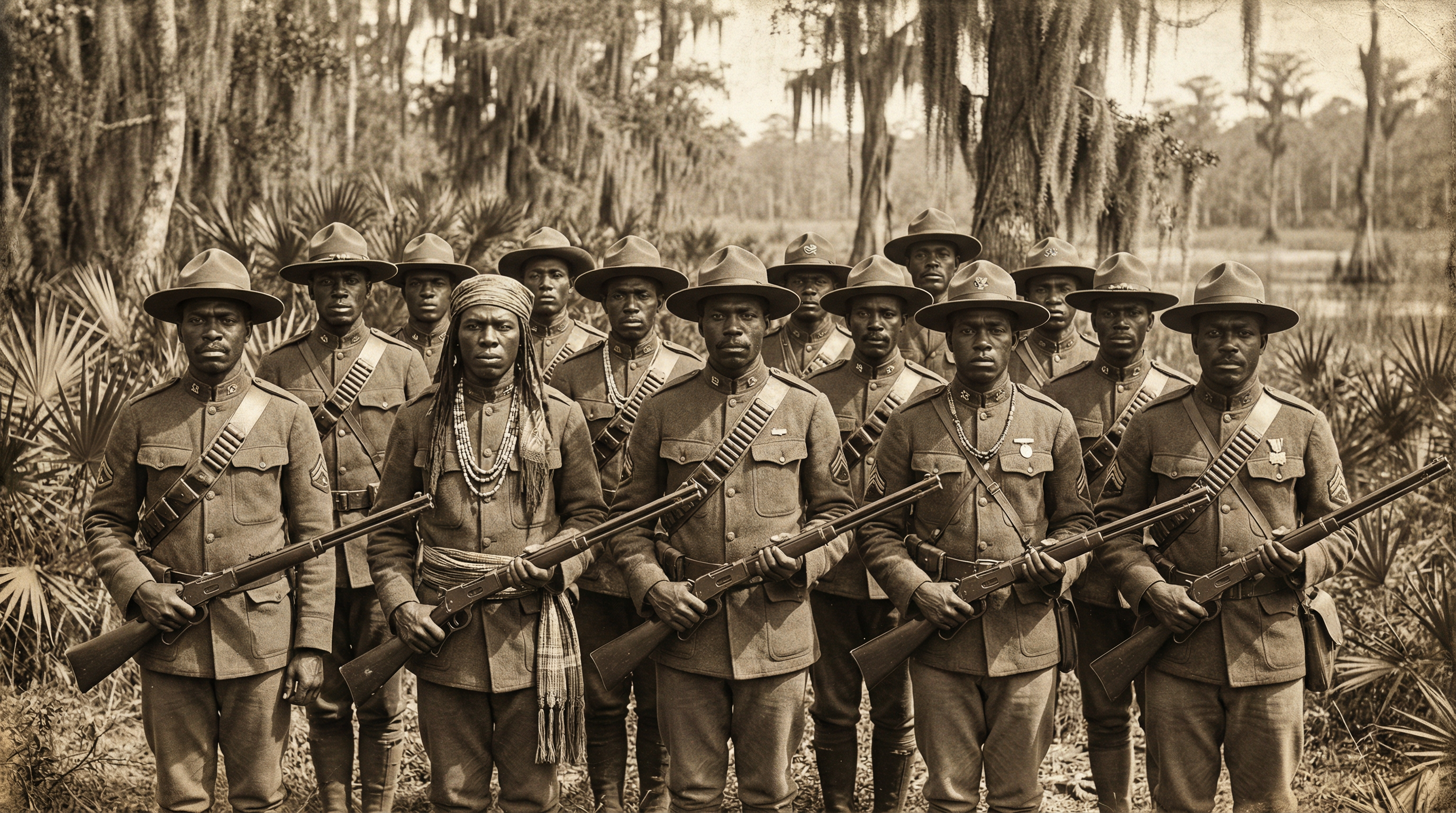
Black Seminole Scouts: The Forgotten Warriors of Florida
Discover the untold story of Black Seminole Scouts who defended Florida's frontiers, earned 4 Medals of Honor, and preserved Yamasee-Seminole military traditions through three wars.
Between 1870 and 1914, a group of Black Seminole warriors served as scouts for the United States Army along the Texas-Mexico border. Four of them earned the Medal of Honor—America's highest military decoration. Yet their story remains largely unknown, buried beneath layers of historical erasure that obscured their Florida origins, their Yamasee ancestry, and their role as the last active military unit descended from the Seminole Wars.
This is not a story of assimilation. It is a story of strategic adaptation, military excellence, and the preservation of Black-Indigenous identity across three generations of warfare.
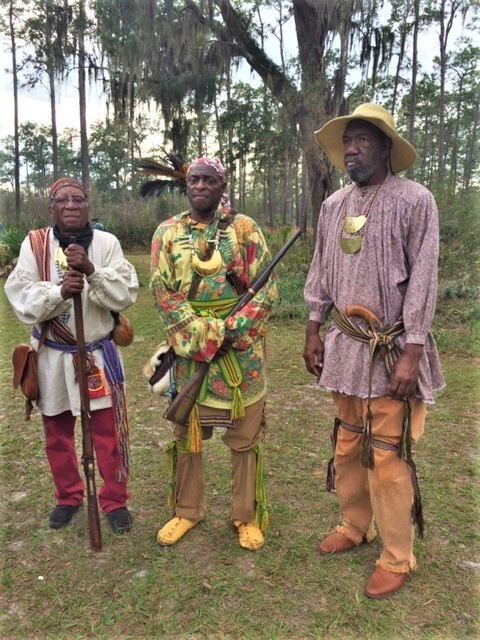 Black Seminole warriors, late 1800s. These men maintained military traditions rooted in the Yamasee War of 1715 and the Seminole resistance of the 1800s.
The Florida Roots: From Yamasee War to Seminole Resistance
The Black Seminole Scouts did not emerge from nowhere. Their military tradition traces directly back to the Yamasee War of 1715, when Yamasee warriors and their African-descended allies fought British colonists in South Carolina before migrating to Spanish Florida.
By the 1700s, these communities had established themselves in North Florida, forming alliances with Creek refugees who would later be called "Seminoles." The term "Seminole" itself—derived from the Spanish cimarrón (wild, free, runaway)—described both Indigenous peoples and Africans who refused subjugation.
Military Excellence as Cultural Continuity
What made the Black Seminoles exceptional warriors was not just their skill—it was their strategic knowledge passed down through generations:
- Guerrilla warfare tactics perfected during the Yamasee War
- Swamp navigation learned in Florida's wetlands
- Multi-lingual communication (English, Spanish, Muskogee, Gullah)
- Intelligence gathering from plantation networks
- Diplomatic negotiation with Spanish, British, and American powers
This was not primitive warfare. It was sophisticated military strategy maintained across three generations.
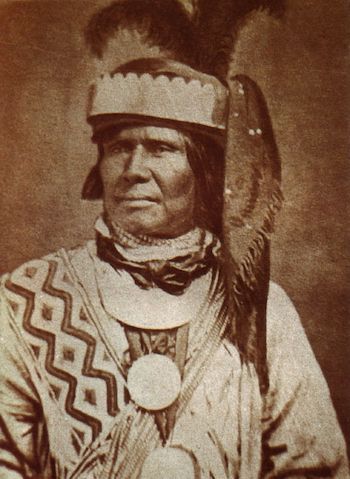 Abraham, principal Black Seminole leader during the Second Seminole War (1835-1842). He served as interpreter, strategist, and diplomat.
The Second Seminole War: "The Seminole Never Surrendered. Neither Did We."
The Second Seminole War (1835-1842) was the longest and costliest Indian war in American history. It cost the United States $40 million (equivalent to $1.2 billion today) and the lives of 1,500 soldiers. The Seminoles and their Black allies never surrendered.
Why Black Seminoles Fought
The war was not just about land—it was about freedom. Under the Treaty of Moultrie Creek (1823) and subsequent agreements, the United States demanded that Black Seminoles living among the Seminoles be returned to slavery. This was unacceptable.
Black Seminole leaders like Abraham and John Horse (Juan Caballo) understood that American victory meant re-enslavement. So they fought.
Military Achievements
- Battle of Lake Okeechobee (1837): Black Seminole warriors fought alongside Seminole leader Coacoochee, inflicting heavy casualties on U.S. forces
- Guerrilla campaigns: Small units conducted raids that tied down thousands of American troops
- Strategic retreats: When forced west, they negotiated terms that preserved their freedom
By 1842, approximately 500 Black Seminoles had been forcibly relocated to Indian Territory (Oklahoma). But they had not been defeated—they had been displaced.
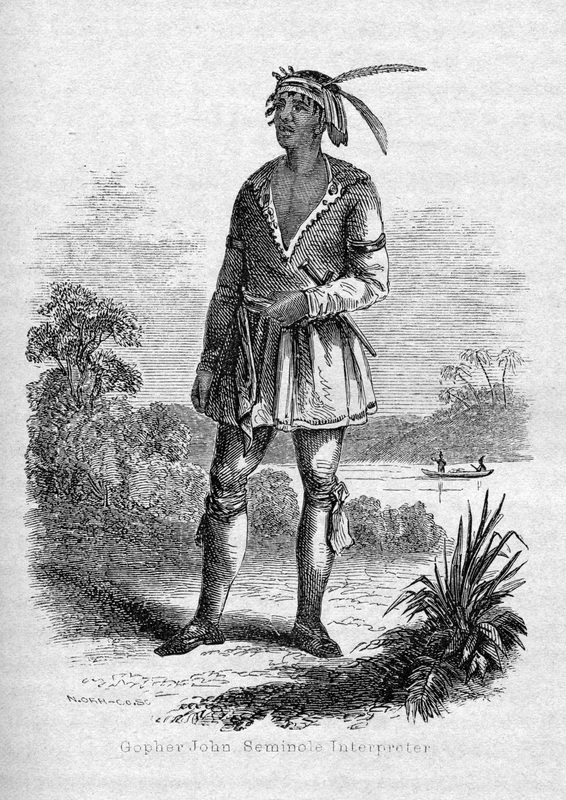 Seminole Negro Scouts in U.S. Army uniforms, Fort Clark, Texas, 1890s. Four members of this unit earned the Medal of Honor.
The Seminole Negro Scouts: 1870-1914
After relocation to Indian Territory and later Mexico, Black Seminoles faced continued threats from slavers, raiders, and hostile forces. In 1870, the U.S. Army recruited them as scouts to patrol the Texas-Mexico border.
Formation and Mission
- Recruitment: Lieutenant John Bullis recruited Black Seminole men in 1870
- Base: Fort Clark, Brackettville, Texas
- Mission: Track Apache raiders, protect settlers, patrol the Rio Grande
- Size: Approximately 50-100 scouts at peak strength
Why They Served
This was not about loyalty to the United States. It was about survival and strategy:
- Protection: Military service provided legal protection from slave catchers
- Land: Scouts were promised land grants in Texas (a promise largely broken)
- Autonomy: They maintained their own command structure and cultural practices
- Continuity: Military service preserved warrior traditions
Medal of Honor Recipients
Four Black Seminole Scouts earned the Medal of Honor for extraordinary bravery:
- Sergeant John Ward (1875) - Defended a wagon train against 25 hostiles
- Trumpeter Isaac Payne (1875) - Held position under heavy fire
- Private Pompey Factor (1875) - Rescued wounded comrades under attack
- Sergeant Adam Paine (1875) - Led counterattack that saved his unit
These were not ceremonial honors. They were earned in combat by men who embodied three generations of military excellence.
The Yamasee Connection: Why This Matters
The Black Seminole Scouts were not just "Black" or "Seminole"—they were the direct descendants of Yamasee families who had fought for survival since 1715.
Genealogical Evidence
Many Black Seminole families carried surnames that trace directly to Yamasee-Spanish Florida lineages:
- Factor (from Spanish factor, agent/trader)
- Payne (anglicized from Peña, common in St. Augustine records)
- Wilson, Warrior, Bowlegs (documented in Seminole-Yamasee communities)
These were not coincidences. They were markers of continuity.
Cultural Preservation
The scouts maintained practices that connected them to their Florida origins:
- Gullah-influenced language (preserved African-Muskogee-Spanish creole)
- Spiritual practices (blending African, Indigenous, and Catholic traditions)
- Kinship networks (maintaining clan structures despite displacement)
- Oral histories (passing down stories of the Yamasee War and Florida sanctuary)
The Erasure: Why You've Never Heard This Story
If the Black Seminole Scouts were so accomplished, why are they virtually unknown?
Systematic Historical Erasure
- Racial classification: Census records listed them as "Negro" or "Mulatto," erasing Indigenous identity
- Military records: Army documents often omitted their Seminole affiliation
- Academic narratives: Historians separated "Black history" from "Native history"
- Geographic displacement: Their Texas service disconnected them from Florida origins
The Ministry's Work
The Ministry of Yamasee Affairs is working to restore this history by:
- Documenting genealogies that connect scouts to Yamasee-Florida families
- Preserving oral histories from descendants
- Correcting historical records that erased Indigenous identity
- Educating the public about Black-Indigenous military traditions
Explore the Florida Map to see where these communities originated.
Legacy: What the Scouts Teach Us Today
The Black Seminole Scouts embodied principles that remain relevant:
- Strategic adaptation: They used military service to preserve autonomy
- Cultural continuity: They maintained identity despite displacement
- Excellence under pressure: They earned the highest military honors
- Collective survival: They prioritized community over individual advancement
This was not assimilation. It was strategic resistance through excellence.
Frequently Asked Questions
1. Were the Black Seminole Scouts actually Seminole?
Yes. "Seminole" was never a purely racial category—it described free peoples (Indigenous and African-descended) who refused subjugation. The scouts were descendants of families who had lived in Seminole communities since the 1700s.
2. How many Black Seminole Scouts earned the Medal of Honor?
Four: Sergeant John Ward, Trumpeter Isaac Payne, Private Pompey Factor, and Sergeant Adam Paine. All four earned their medals in 1875 for actions during border conflicts.
3. What happened to the scouts after 1914?
The unit was disbanded in 1914. Many scouts and their families remained in Brackettville, Texas, where their descendants still live. Others returned to Oklahoma or Mexico.
4. Are there any Black Seminole Scout descendants today?
Yes. The Seminole Negro Indian Scout Cemetery Association in Brackettville, Texas, preserves their history. Many descendants still live in Texas, Oklahoma, Mexico, and the Bahamas.
5. How does this connect to Yamasee history?
The scouts descended from families who migrated to Florida after the Yamasee War (1715-1717). Their military traditions, surnames, and cultural practices trace directly to Yamasee-Spanish Florida communities.
6. Why did the U.S. Army recruit them specifically?
They had unmatched skills in tracking, survival, and combat in harsh terrain. Army officers recognized that no other unit could match their effectiveness.
Conclusion: Remembering the Forgotten Warriors
The Black Seminole Scouts were not footnotes. They were the last active military unit descended from the Yamasee War, the Seminole resistance, and three centuries of Black-Indigenous alliance in Florida.
Their story challenges simplistic narratives about race, identity, and American history. It reveals a more complex truth: that Black and Indigenous peoples formed lasting alliances, maintained distinct cultures despite displacement, and achieved military excellence that the United States both relied upon and erased.
The Ministry of Yamasee Affairs exists to restore these stories—not as nostalgia, but as evidence of continuity, resilience, and rightful claims to recognition.
Learn More
- Read about the Yamasee War and migration to Florida
- Explore the DeLand Yamasee Settlement
- View the Florida Yamasee Settlement Map
- Take the Heritage Indicators Quiz
Support This Work
The Ministry of Yamasee Affairs is documenting these histories, connecting descendants, and fighting for recognition. Support our mission to ensure these stories are never forgotten again.