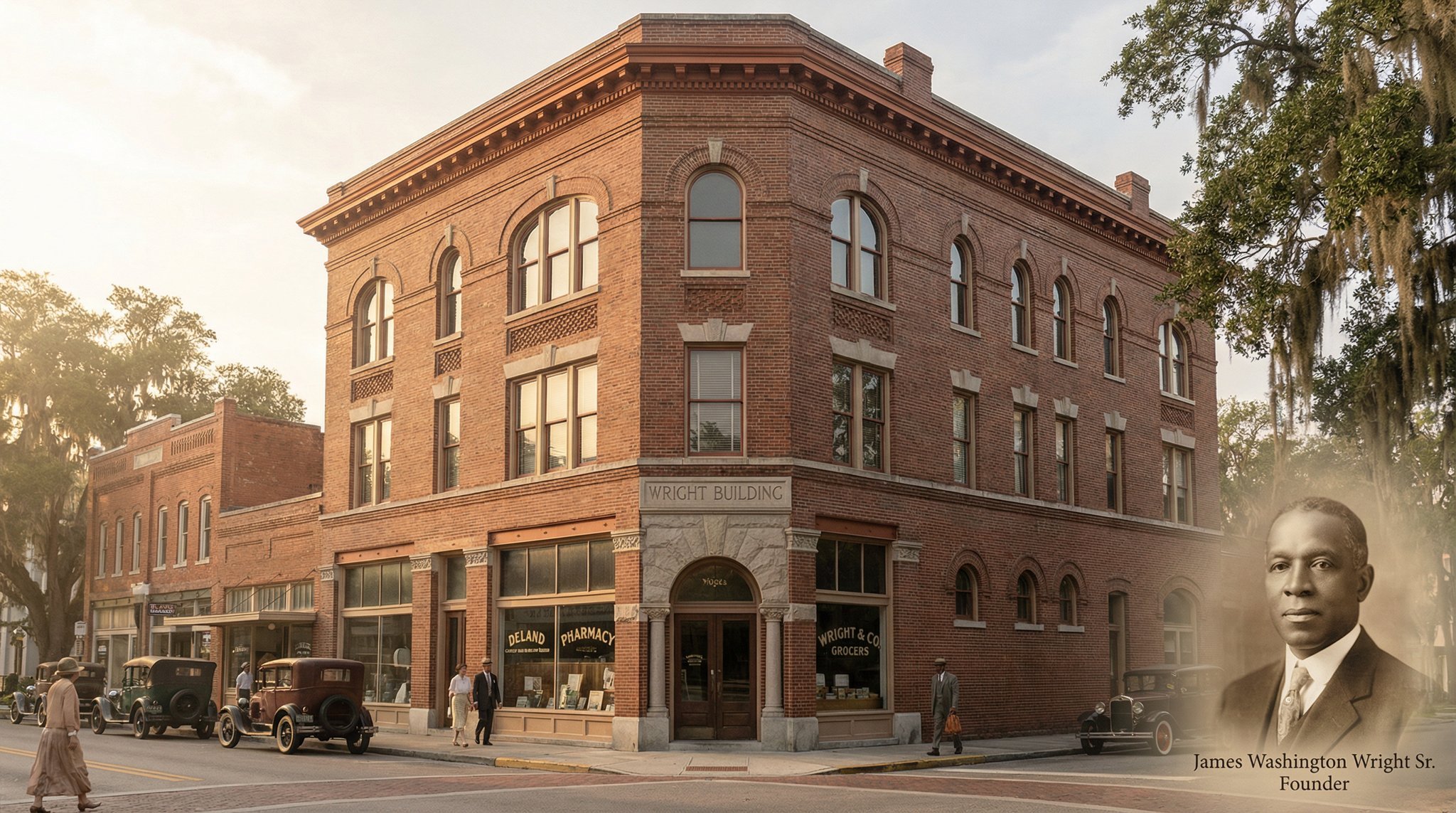
The Wright Building: DeLand's Hidden Monument to Black Excellence
Discover the Wright Building in DeLand, Florida—a historic landmark showcasing Black entrepreneurship and Yamasee heritage in Volusia County since 1920.
In the heart of downtown DeLand, Florida, stands a two-story brick building that most passersby barely notice. Yet this unassuming structure at the corner of Voorhis and Clara Avenue represents something extraordinary: a monument to Black excellence, Indigenous resilience, and the entrepreneurial spirit that refused to be extinguished by Jim Crow segregation. The Wright Building, constructed in 1920 by James W. Wright, tells a story that challenges everything we think we know about Florida history—and reveals the hidden connections between the Yamasee people and modern Black communities in Volusia County.
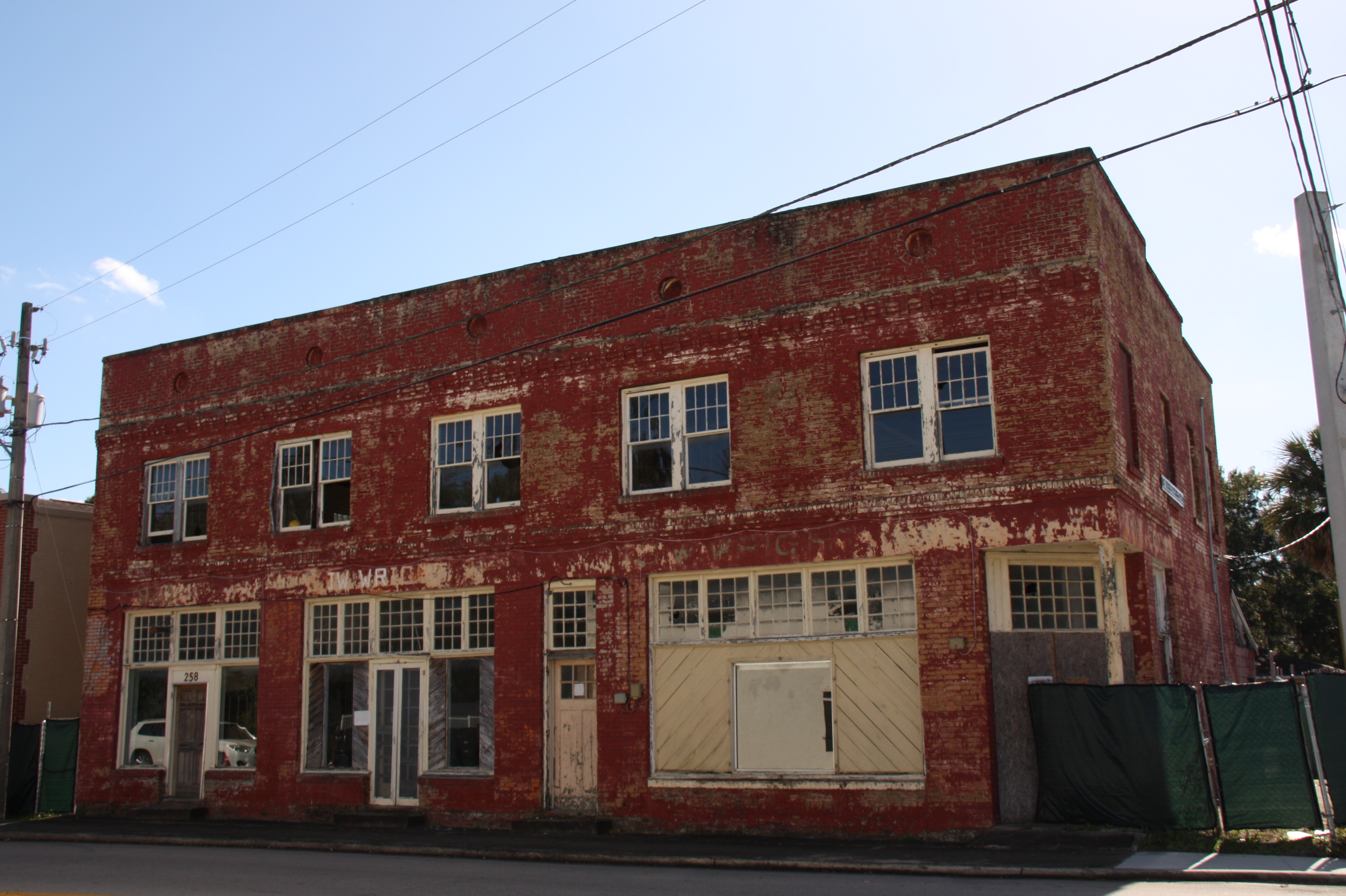 The Wright Building stands as a testament to Black entrepreneurship in early 20th century DeLand, Florida. Photo courtesy of DeLand Historical Society.
The Man Behind the Building: James W. Wright
James W. Wright wasn't just a businessman. He was a visionary who understood that economic power was the key to survival and dignity in an era designed to crush Black ambition. Born in the aftermath of Reconstruction, Wright came of age during the most dangerous period for Black Americans in the South—the era of lynching, disenfranchisement, and systematic economic exclusion.
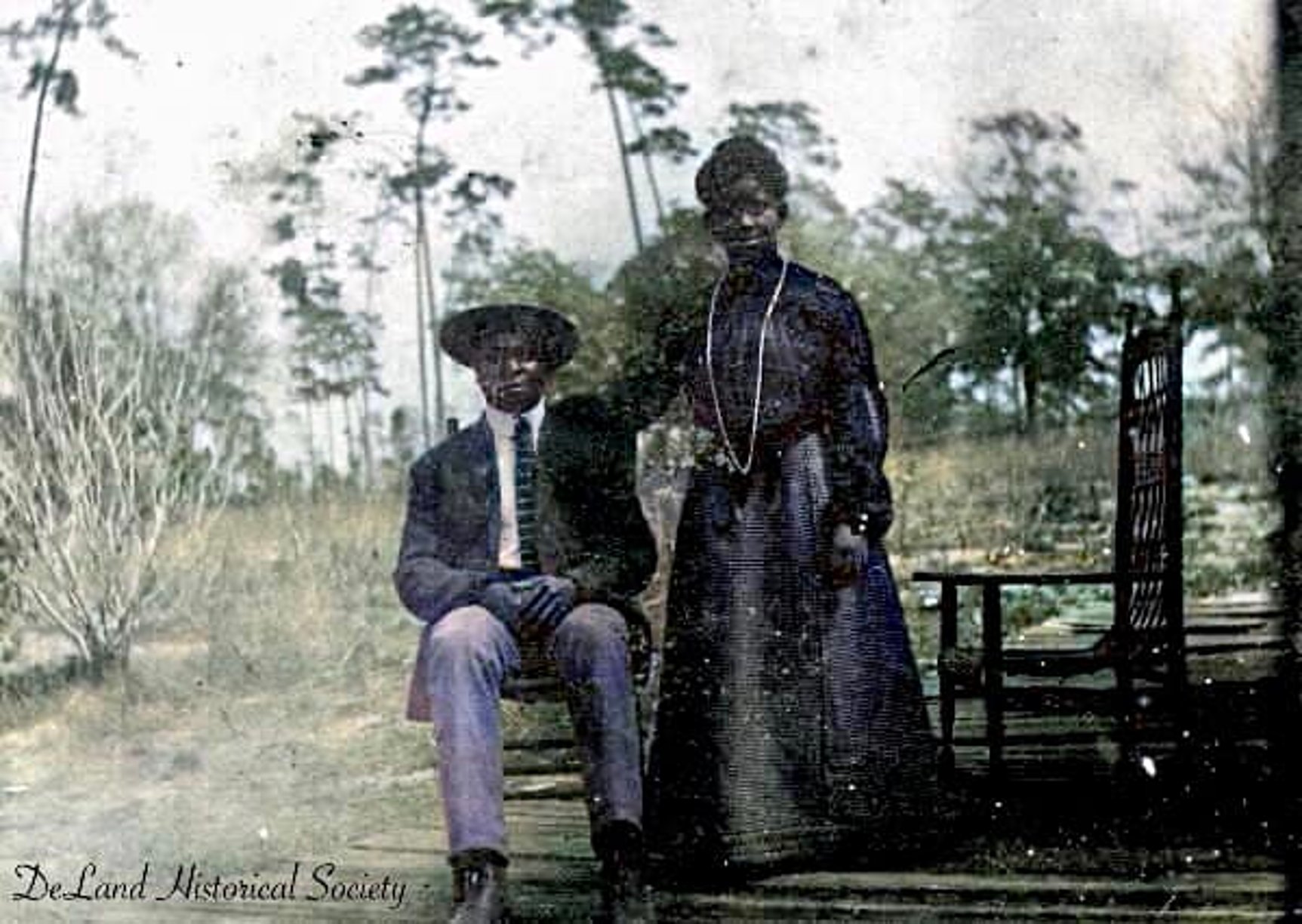 A well-dressed Black couple in DeLand, early 1900s. Families like these built thriving communities despite Jim Crow restrictions. Photo: DeLand Historical Society.
Yet Wright did what seemed impossible: he built a business empire in Volusia County. By 1920, he owned multiple properties in DeLand's Black business district, operated a successful general store, and had accumulated enough capital to construct a two-story commercial building—a feat that required not just money, but connections, credit, and the ability to navigate a hostile racial landscape.
The construction of the Wright Building in 1920 was a deliberate statement. While white supremacists were burning Black Wall Streets across the South—Tulsa's Greenwood District would be destroyed just one year later in 1921—Wright was building permanent, brick-and-mortar proof that Black people belonged in DeLand. The building's solid construction, prominent location, and commercial success challenged the narrative that Black people were temporary, transient, or incapable of creating lasting institutions.
DeLand's Black Business District: A Hidden Economic Powerhouse
The Wright Building wasn't built in isolation. It was the crown jewel of a thriving Black business district that most history books ignore. In the early 20th century, DeLand's Black community—concentrated along Indiana Avenue, Clara Avenue, and Voorhis Avenue—created a parallel economy that served not just local residents but the entire region.
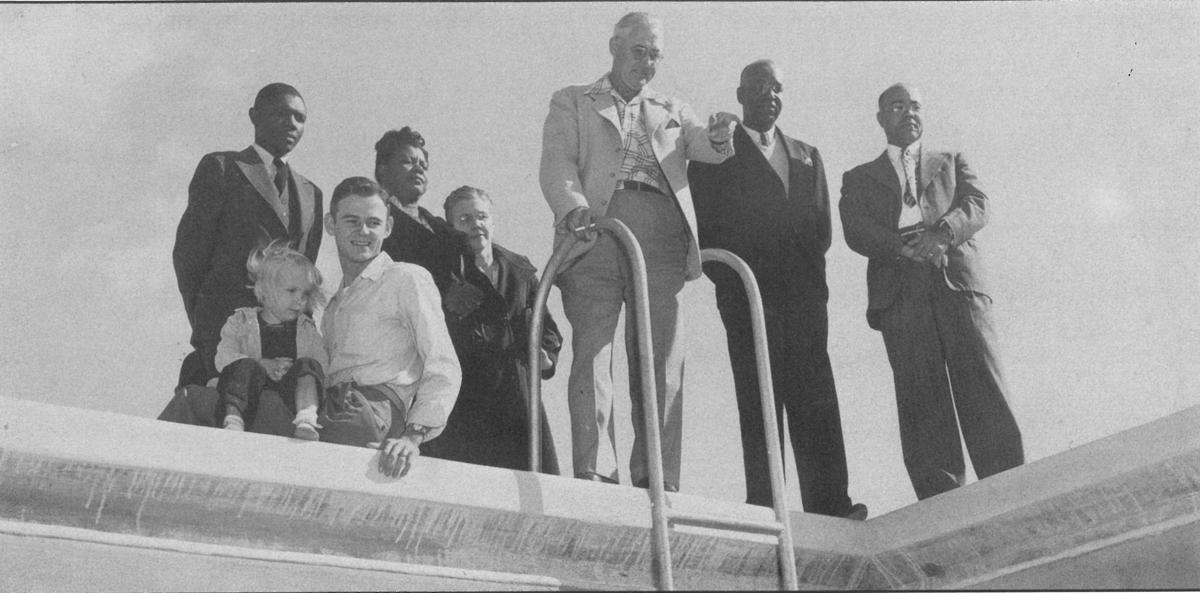 Black community members gather for a groundbreaking ceremony in DeLand. Such events celebrated economic progress and collective achievement.
This district included general stores and grocers, professional services, entertainment venues, and churches that functioned as mutual aid societies. The economic ecosystem centered around the Wright Building represented something profound: economic sovereignty. In an era when most Black Southerners were trapped in sharecropping or domestic service, DeLand's Black business district demonstrated that another path was possible.
The Yamasee Connection: Indigenous Roots in Volusia County
Here's where the story gets deeper—and where conventional Florida history falls apart. James W. Wright and many of the families who built DeLand's Black business district weren't just "Black." They were descendants of the Yamasee people who had been in Florida for generations, their Indigenous identity systematically erased through colonial census practices and legal reclassification.
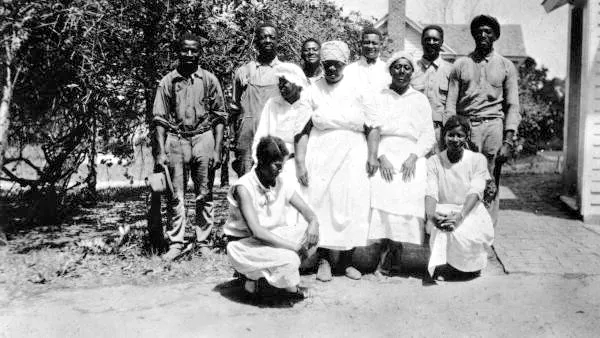 A Florida family from the 1890s. Many families like these carried Yamasee heritage that was administratively erased through census reclassification.
The Yamasee migration to Spanish Florida began in 1715, following the Yamasee War against British colonists in the Carolinas. Spanish authorities in St. Augustine offered sanctuary, land grants, and military commissions to Yamasee warriors and their families. Over the next century, Yamasee people spread throughout Florida, establishing settlements from the Panhandle to the Keys.
When the United States acquired Florida in 1821, American census takers faced a problem: how to categorize people who were Indigenous, spoke Spanish, practiced Catholicism, and often had African ancestry through intermarriage? The solution was administrative erasure. Census records from the 1830s onward increasingly classified Yamasee descendants as "mulatto," "colored," or simply "Black," erasing their Indigenous identity with the stroke of a pen.
By the time James W. Wright built his building in 1920, most Yamasee descendants in Volusia County had been legally reclassified for three generations. Yet the community knew who they were. Family oral histories preserved the truth. Surnames like Wright, Day, Baugh, and dozens of others carried Indigenous lineage that official records refused to acknowledge.
Architecture as Resistance: The Building's Design and Significance
The Wright Building's architecture tells its own story of resistance and aspiration. Unlike the wooden shotgun houses and temporary structures that characterized much of Black DeLand, the Wright Building was built to last.
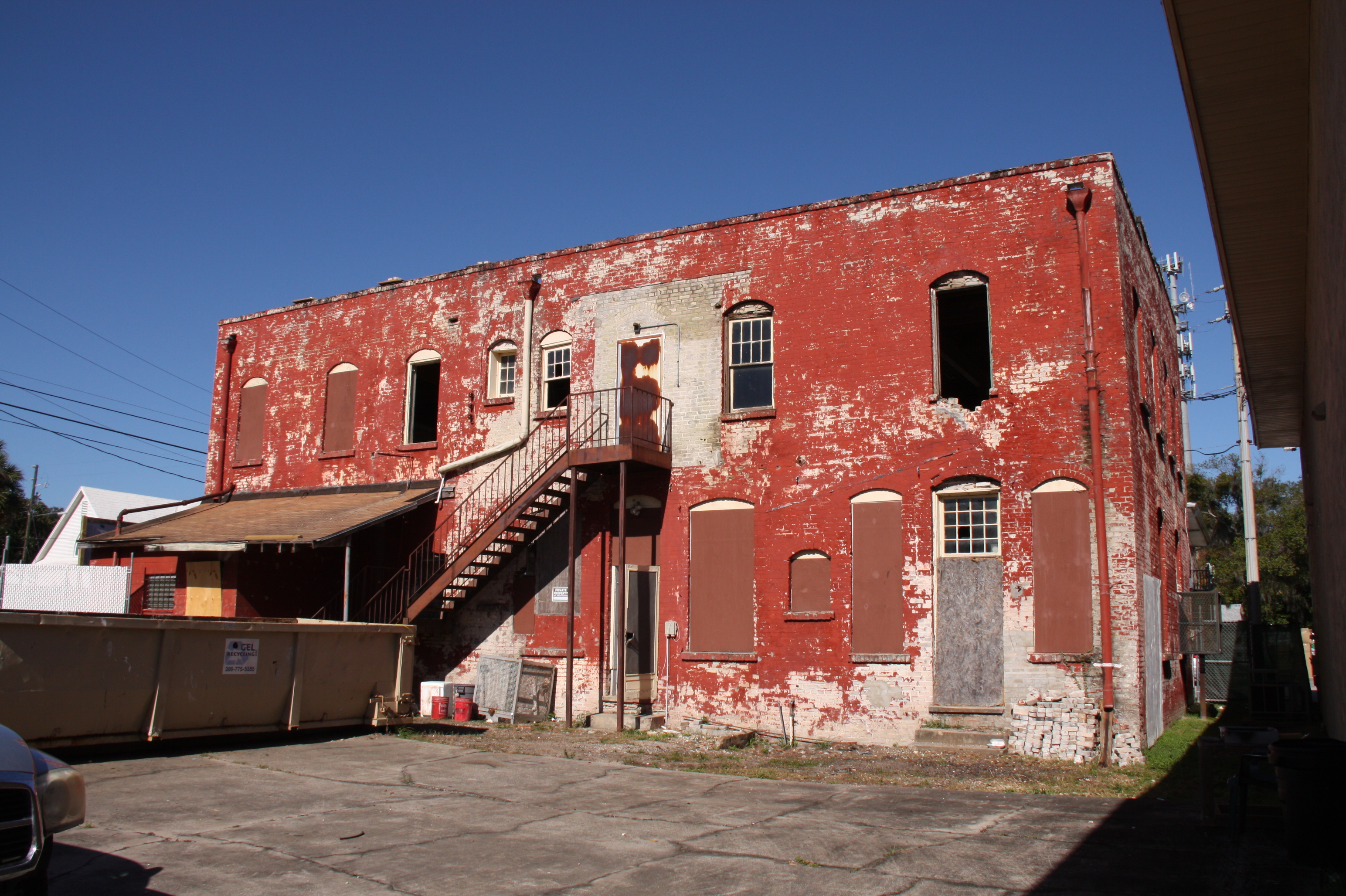 The Wright Building's brick construction and commercial design reflected permanence and prosperity in an era of segregation.
Brick construction was expensive and required skilled masons. Choosing brick over wood was a statement: this building would outlive its critics. It would still be standing when Jim Crow fell. And it was. The two-story design maximized commercial space and rental income. The ground floor housed Wright's general store, while the second floor contained offices and meeting spaces that served as headquarters for Black civic organizations, fraternal lodges, and political groups.
The corner location at Voorhis and Clara Avenue placed the building at the geographic and symbolic heart of the Black business district. Everyone who entered or left the district passed the Wright Building—a daily reminder of what Black entrepreneurship could achieve. The commercial storefront with large display windows mimicked the design of white-owned downtown businesses, asserting that Black businesses deserved the same architectural dignity and street presence as their white counterparts.
The Wright Building Through the Decades
The building's history mirrors the broader trajectory of Black DeLand—and Black America—through the 20th century.
1920s-1940s: The Golden Age - During these decades, the Wright Building thrived as the anchor of DeLand's Black business district. Wright's general store served customers from across Volusia County. The second-floor meeting spaces hosted everything from NAACP meetings to social dances.
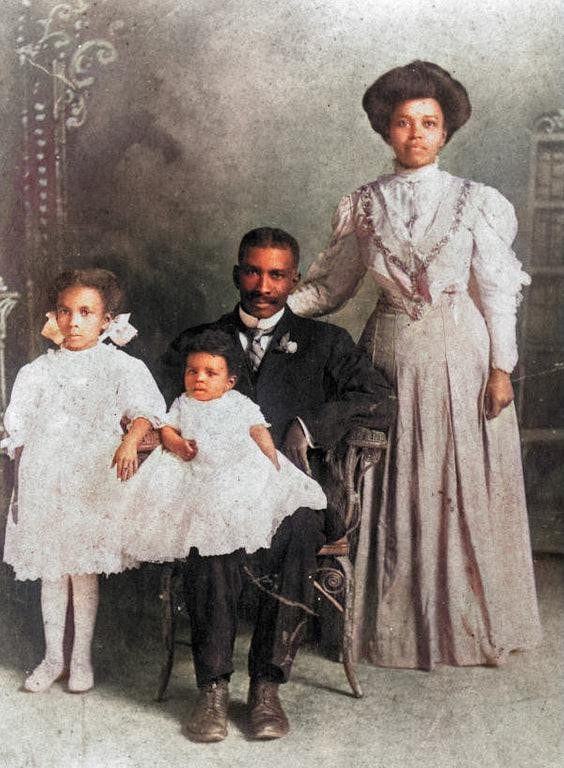 Colorized photograph showing a Florida family from the early 20th century, representing the era when the Wright Building served as a community hub.
1950s-1960s: Civil Rights and Transition - As the Civil Rights Movement gained momentum, the Wright Building became an organizing hub. Meetings that planned voter registration drives, boycotts of segregated businesses, and protests against police brutality happened in those second-floor rooms.
1970s-1990s: Urban Renewal and Decline - Like Black business districts across America, DeLand's Indiana Avenue corridor suffered from "urban renewal" policies that were really "Negro removal." Highway construction, redlining, and the demolition of Black neighborhoods devastated the economic ecosystem that had sustained the Wright Building.
2000s-Present: Rediscovery and Preservation - In recent years, historians and community activists have begun recognizing the Wright Building's significance. The building now stands as one of the few remaining physical artifacts of DeLand's once-thriving Black business district—and as tangible proof of the Yamasee presence in Volusia County.
Why the Wright Building Matters Today
The Wright Building is more than a historic curiosity. It's evidence.
Evidence of Black economic achievement in an era when the dominant narrative claimed Black people were incapable of building wealth or sustaining businesses. Evidence of Yamasee continuity in Florida, challenging the false narrative that Indigenous people "vanished" from the state after the Seminole Wars. Evidence of systematic erasure, showing how administrative reclassification in census records was used as a tool to deny Indigenous people their identity and legal rights. Evidence of resilience, demonstrating that communities can survive and even thrive despite facing legal segregation, economic exclusion, and violent intimidation.
For descendants of James W. Wright and the families who built DeLand's Black business district, the building is proof of ancestry. For researchers investigating Yamasee history, it's a landmark connecting oral tradition to physical place. For anyone who cares about honest history, it's a reminder that the stories we've been told are incomplete—and that the truth is still standing, in brick and mortar, waiting to be recognized.
Visual History
The Wright Building Today
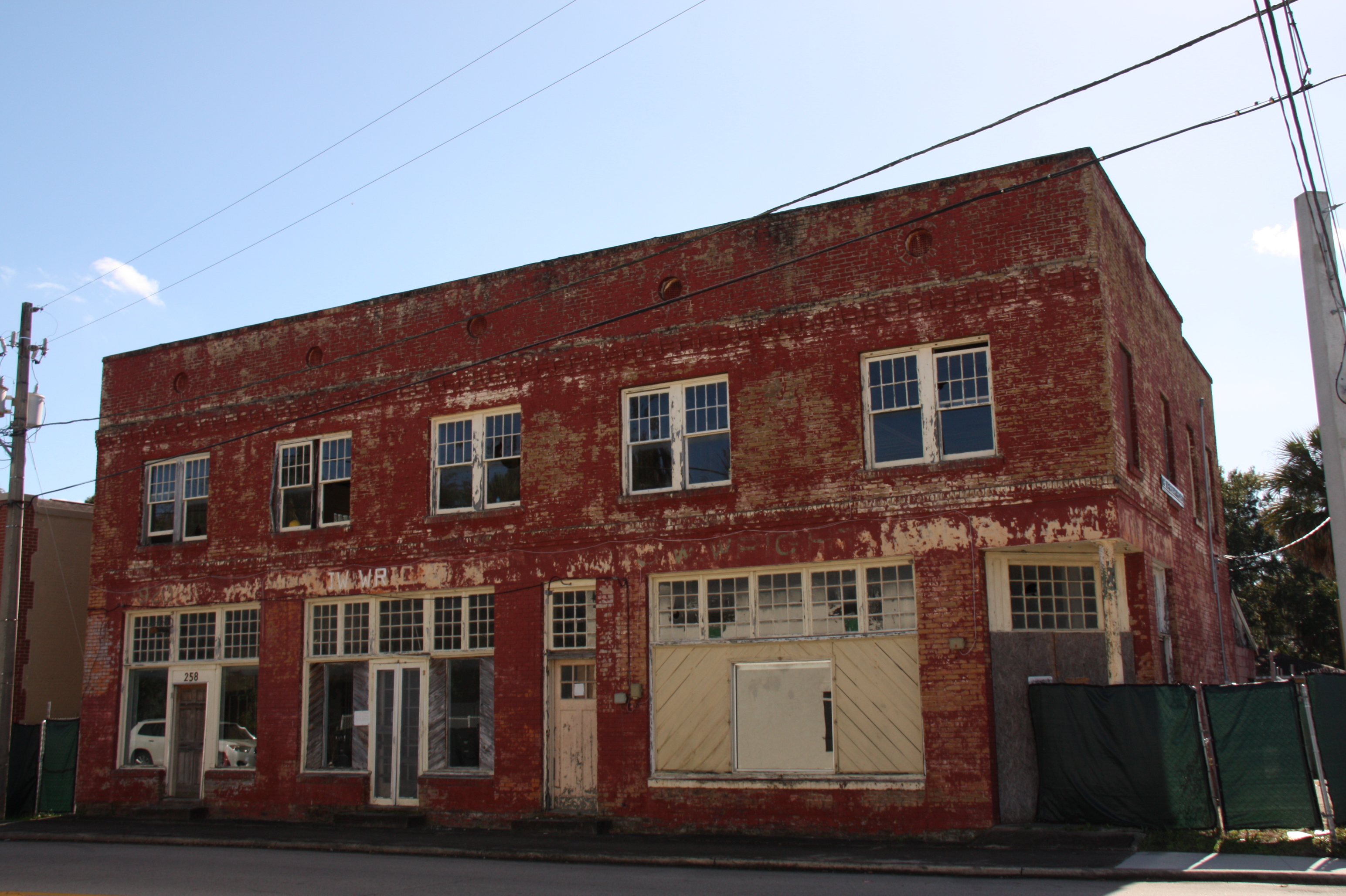 The Wright Building front facade, showing the distinctive two-story brick construction and commercial storefront design. Photo courtesy of Florida Division of Historical Resources.
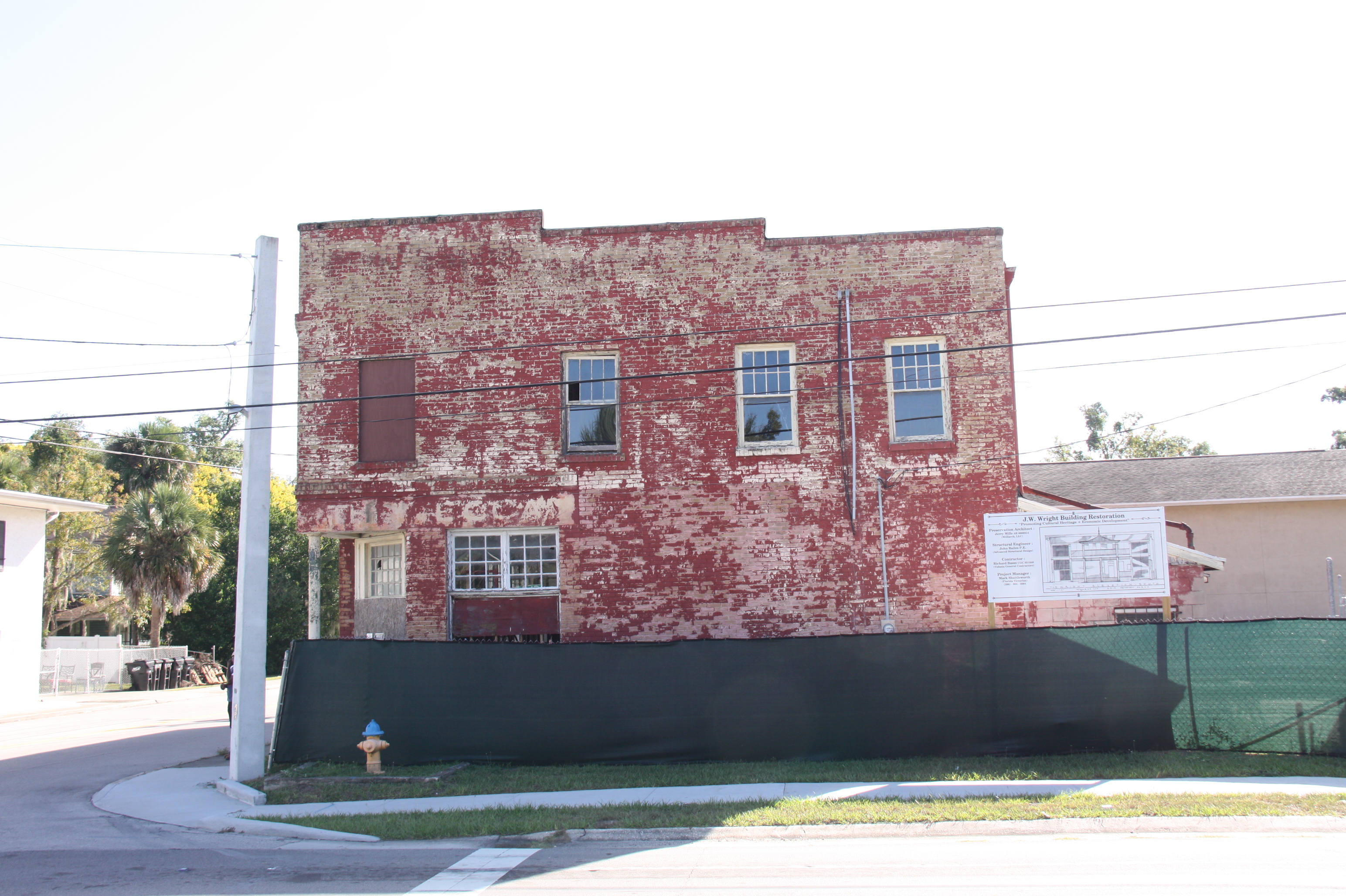 Side view of the Wright Building, revealing the solid brick construction and architectural details that made it a landmark in DeLand's Black business district. Photo courtesy of Florida Division of Historical Resources.
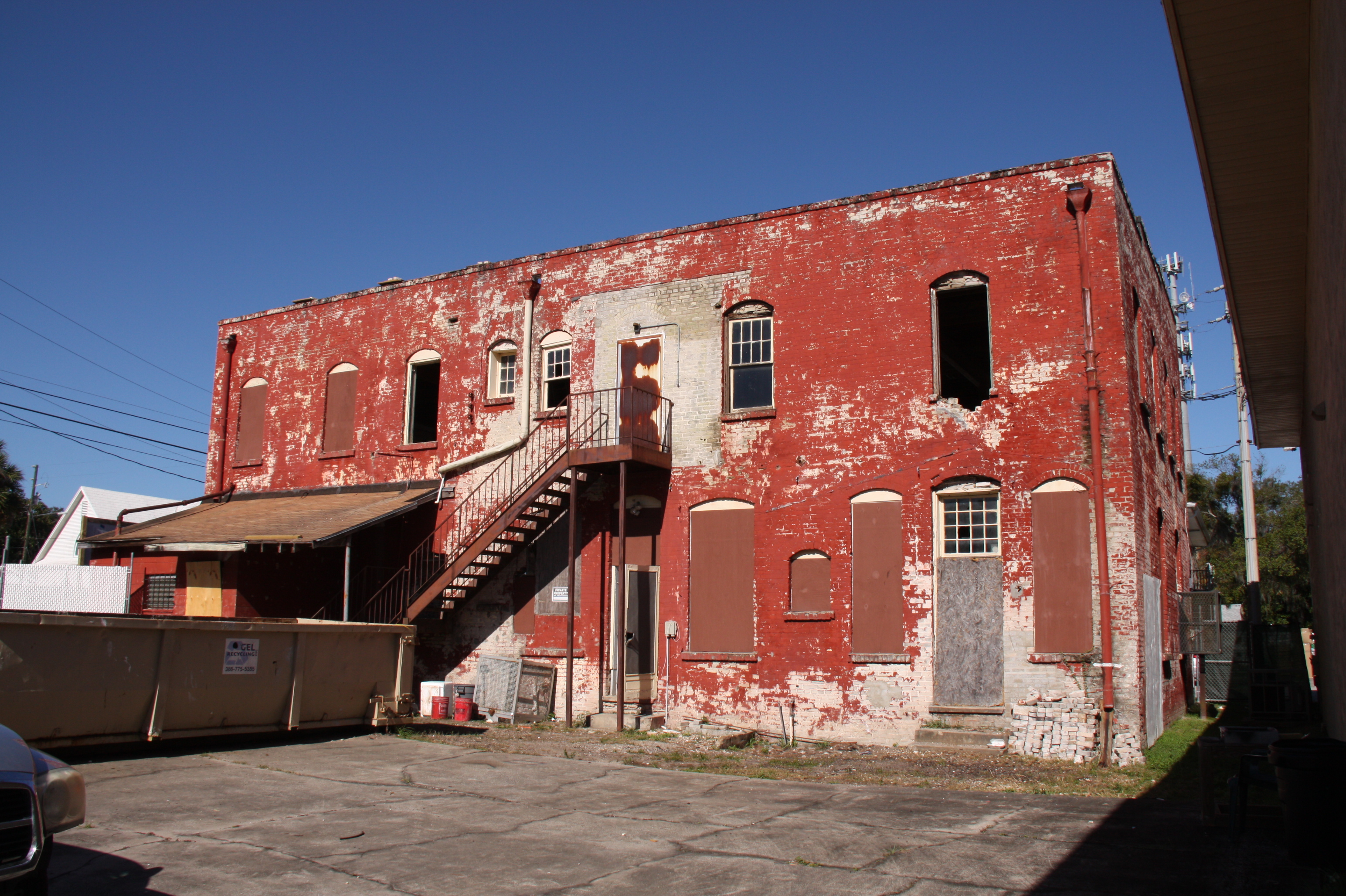 Rear view of the Wright Building, showing the full scale of this monument to Black entrepreneurship. Photo courtesy of Florida Division of Historical Resources.
The Man Behind the Monument
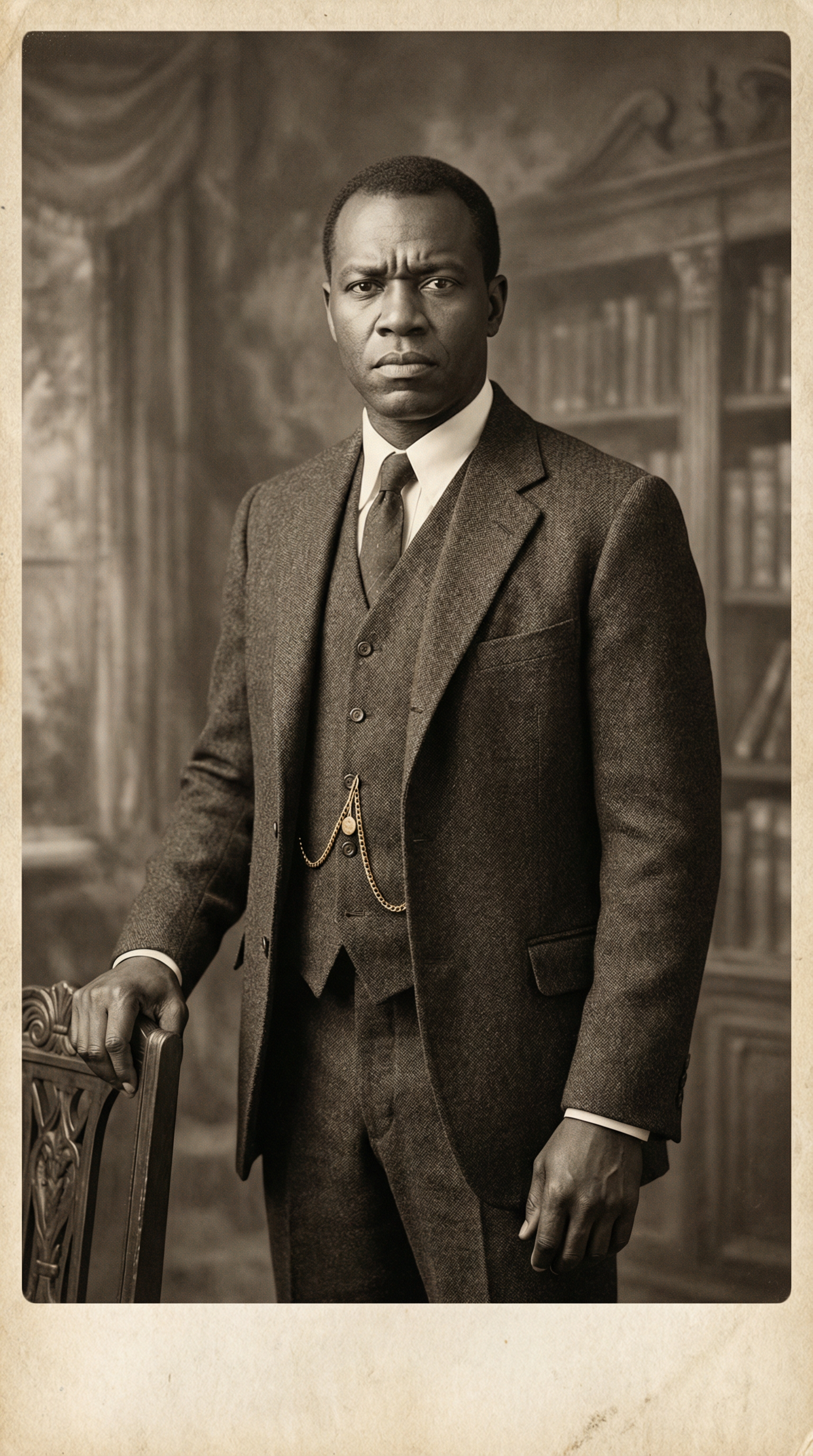 Representative portrait capturing the dignity and entrepreneurial spirit of Black business owners like James W. Wright in 1920s Florida. (Historical representation)
DeLand's Black Business District
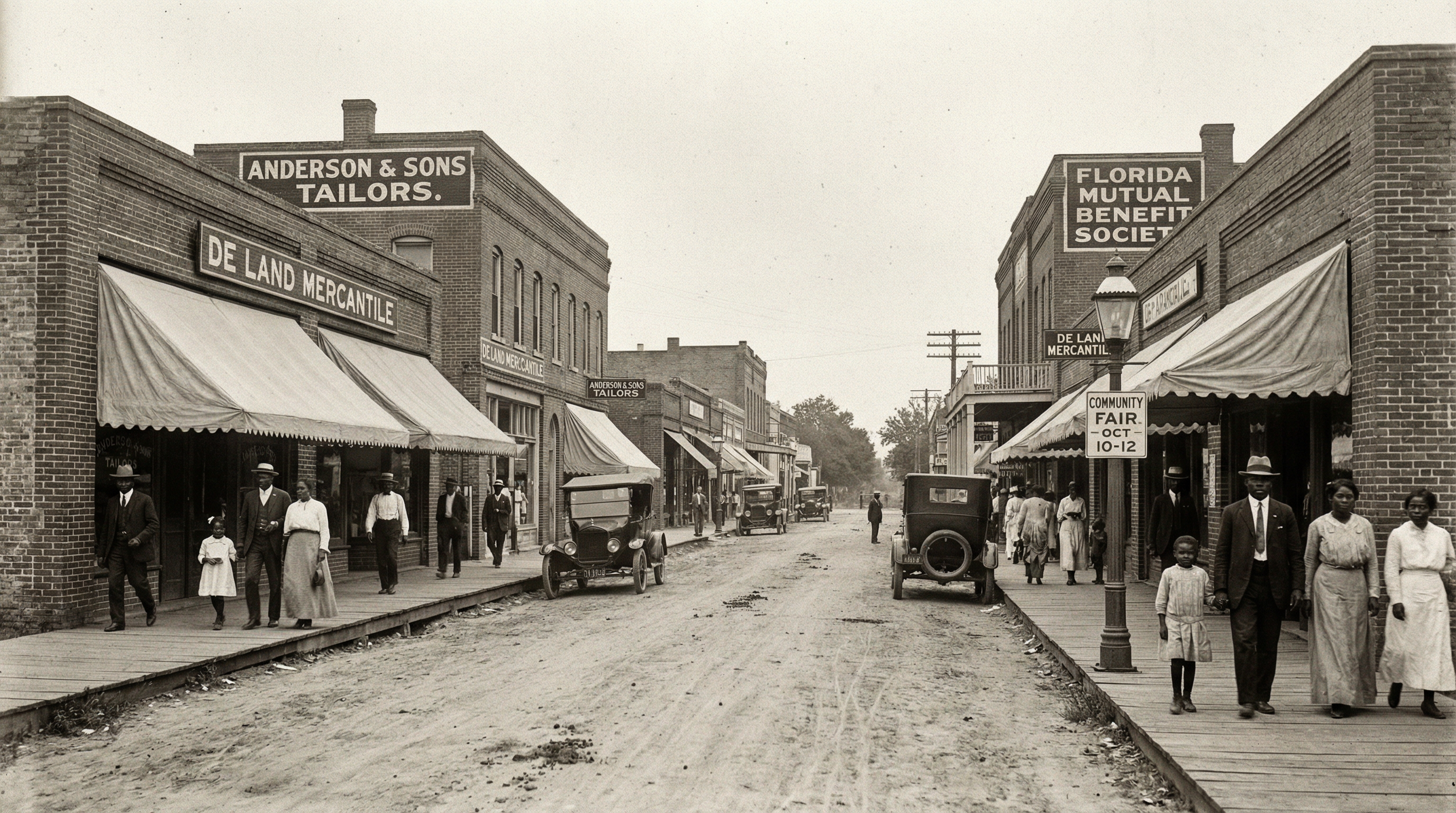 DeLand's Black business district in the 1920s was a thriving center of economic activity and community pride, where the Wright Building served as a cornerstone. (Historical representation)
The Yamasee Connection
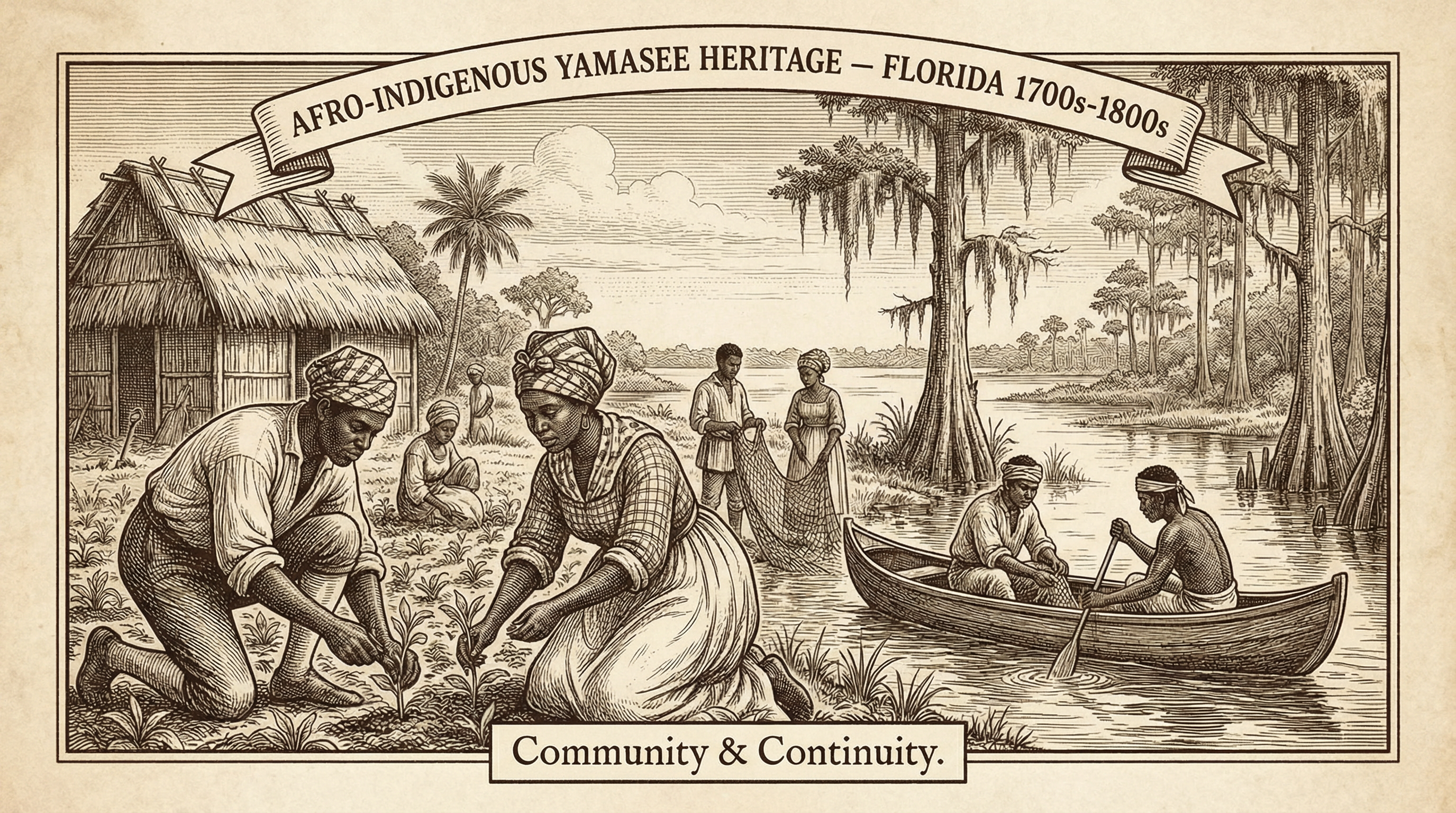 The Afro-Indigenous Yamasee heritage in Florida represents the deep historical roots connecting Indigenous peoples and African Americans in the region, a legacy that continued through families like the Wrights. (Historical illustration)
How to Visit the Wright Building
The Wright Building is located in downtown DeLand and is visible from the street, though it is currently privately owned and not open for public tours.
Address: Corner of Voorhis and Clara Avenue, DeLand, FL 32720
Best Viewing: Exterior viewing is possible from the sidewalk at any time. The building is most photogenic in morning light.
Nearby Landmarks: DeLand Historical Society Museum (2 blocks east), Stetson University campus (0.5 miles north), Downtown DeLand shops and restaurants (3 blocks west)
Explore more Yamasee heritage sites across Florida on our interactive map.
Conclusion
The Wright Building stands as a monument—not to a distant, romanticized past, but to a living history of resistance, resilience, and reclamation. Every brick in that building represents a refusal to be erased. Every year it remains standing is a victory against the forces that tried to erase Black economic power and Yamasee Indigenous identity from Florida's story.
When you stand in front of the Wright Building today, you're not just looking at an old commercial structure. You're witnessing evidence of a truth that official history tried to bury: that Yamasee people never vanished from Florida, that Black communities built economic empires despite Jim Crow, and that the stories we've been told about who belongs in this state—and who doesn't—were lies designed to justify theft and erasure.
The Wright Building is still here. So are we.
Discover your connection to this history. Join the Ministry of Yamasee Affairs and help preserve the truth for future generations.