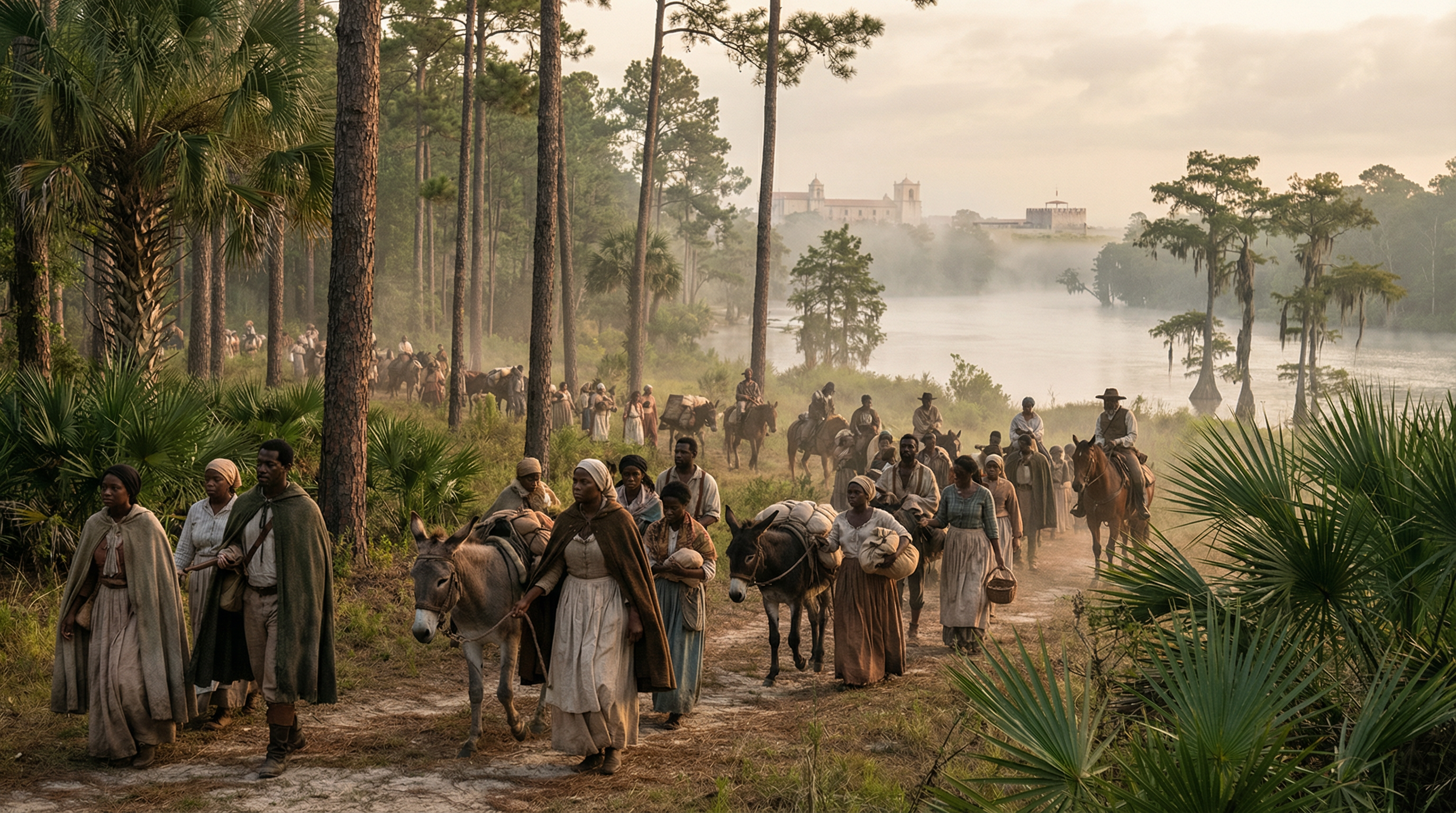
The Yamasee War and the Great Migration to Spanish Florida (1715-1720)
On Good Friday in 1715, the Yamasee chose resistance over enslavement. Their strategic migration to Spanish Florida preserved sovereignty, land claims, and identity for centuries.
The Yamasee War and the Great Migration to Spanish Florida (1715-1720)
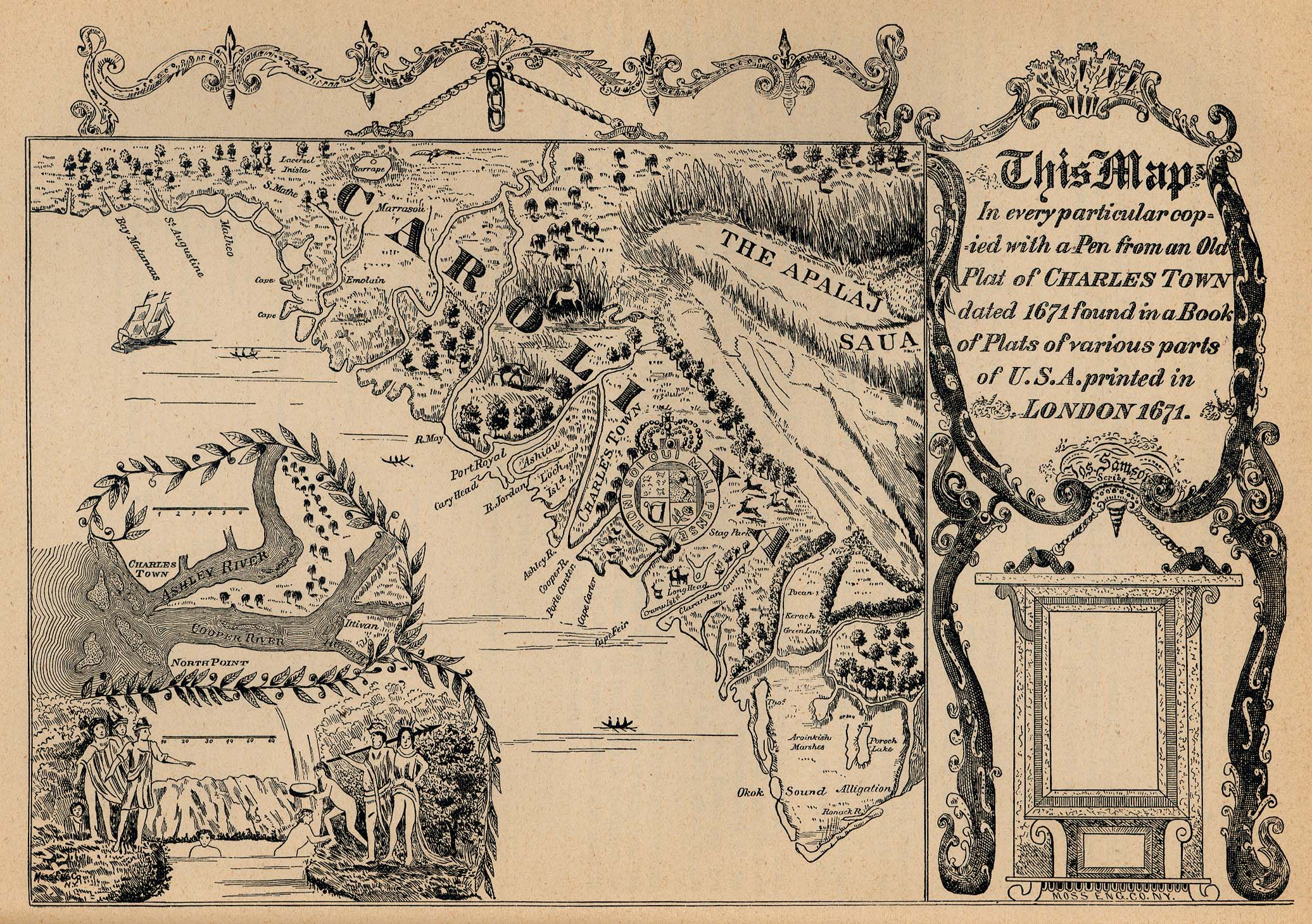 Charles Town (modern Charleston), South Carolina in the early 1700s - the center of British colonial power and the predatory Indian trade system that enslaved over 400 Yamasee people through debt schemes.
The Breaking Point
By 1715, British traders in South Carolina had enslaved over 400 Yamasee people through predatory debt schemes. When Yamasee leaders confronted trader Thomas Nairne about these abuses, they were met with threats of total enslavement. The choice was clear: fight or disappear.
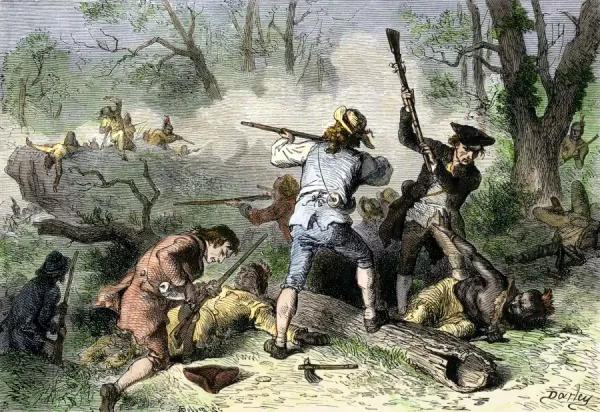 Historical illustration depicting the violent conflicts between Indigenous peoples and British colonists on the Carolina frontier during the early 1700s.
The Yamasee War erupted across the Carolina frontier. Yamasee warriors, joined by Creek, Catawba, and other Indigenous allies, struck British settlements from Charles Town to Port Royal. For two years, the Yamasee Confederacy held their ground against one of the most powerful colonial forces in North America.
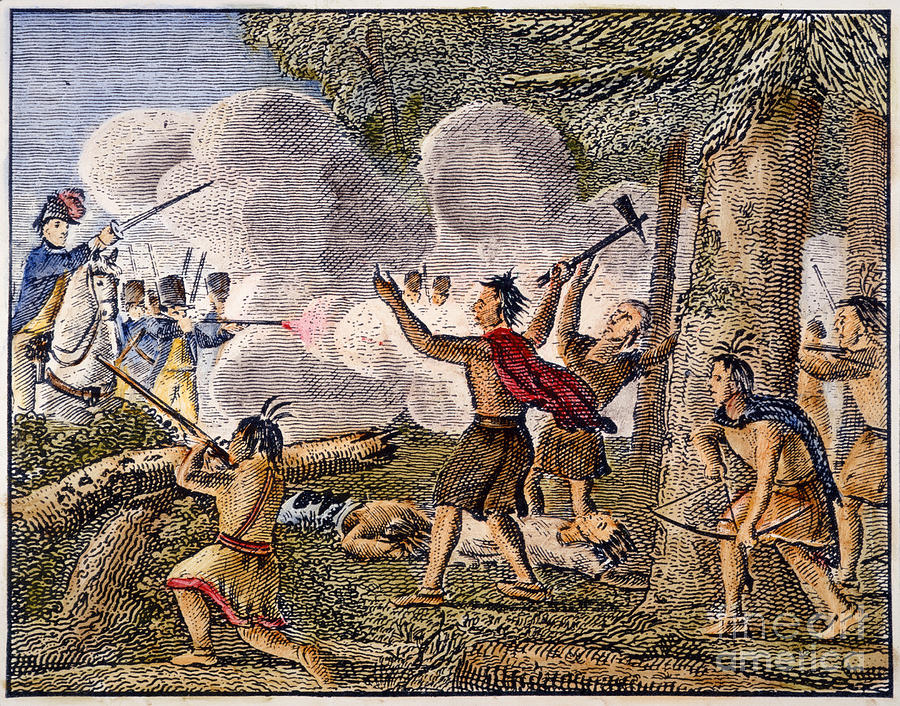 Historical illustration of the Yamasee War (1715-1717), when the Yamasee Nation launched a coordinated uprising against British colonists in South Carolina. Nearly 7% of South Carolina's colonial population died in the first year—proportionally deadlier than the American Revolution or Civil War.
But by 1717, British military superiority and Creek defection made continued resistance impossible. The Yamasee faced a choice: submit to British enslavement or flee south to Spanish Florida.
The Spanish Sanctuary
Spanish Florida offered what British Carolina never would: recognition as sovereign people. The Spanish Crown, locked in imperial competition with Britain, welcomed Yamasee refugees as military allies and granted them land, Catholic baptism, and legal protection.
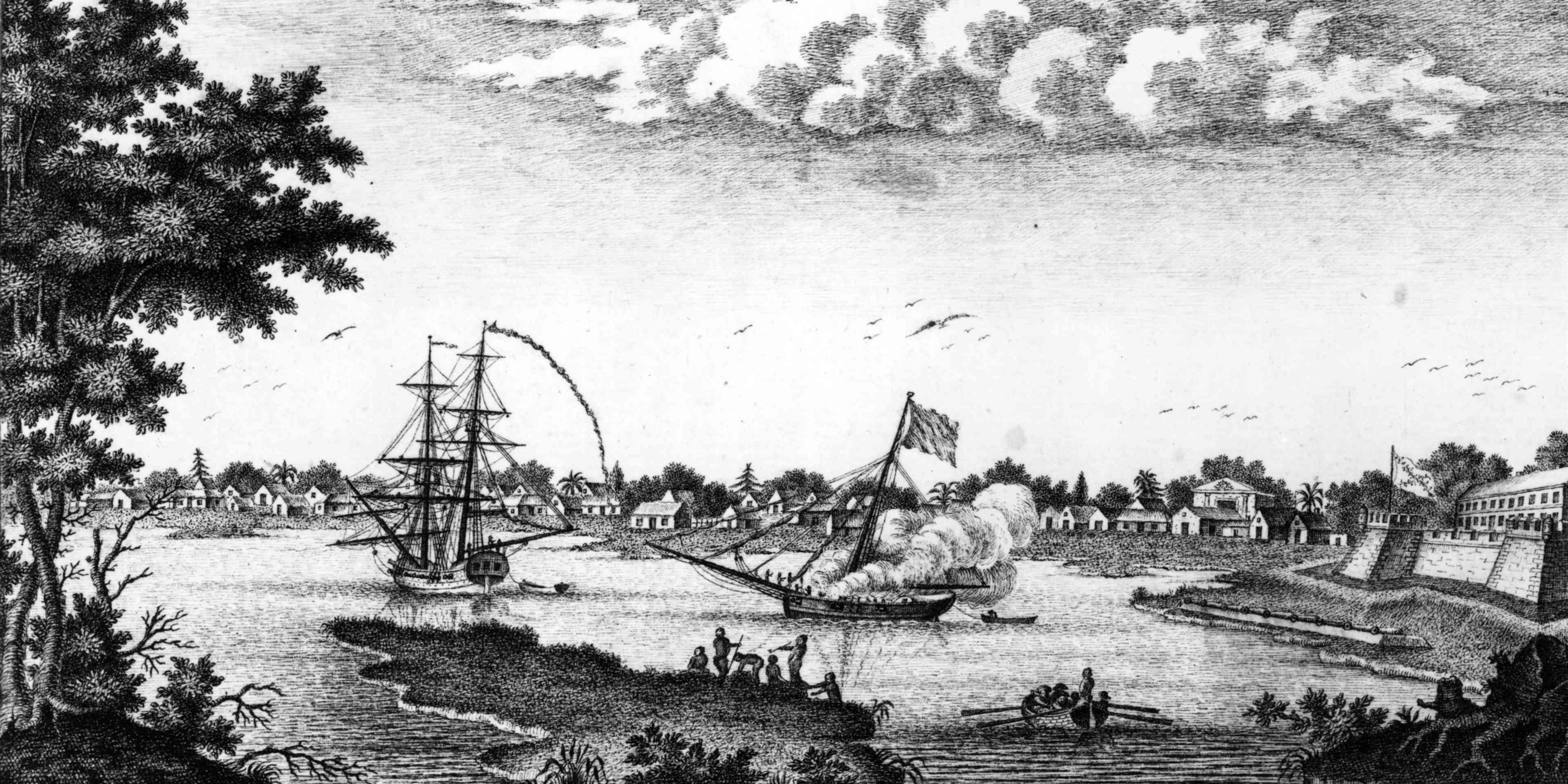 Spanish colonial St. Augustine, Florida - the oldest continuously occupied European settlement in the continental United States, established in 1565. After 1715, St. Augustine became the primary destination for Yamasee refugees fleeing British enslavement in South Carolina.
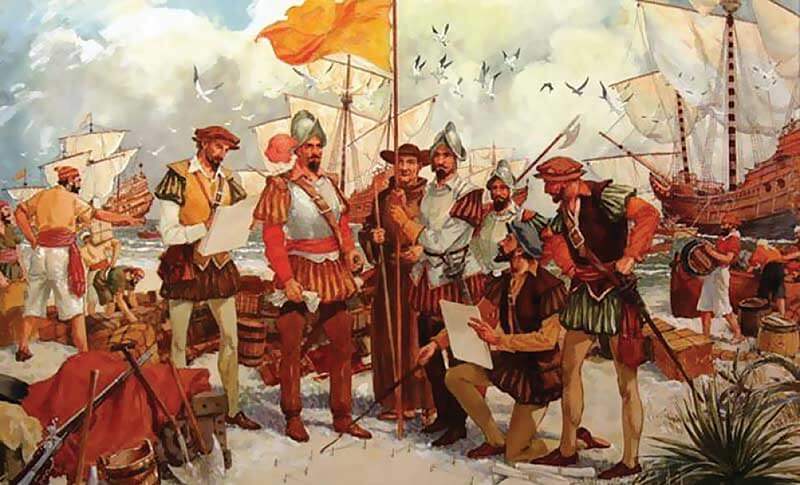 Spanish colonial settlement activities in Florida during the 1700s, showing the infrastructure and community building that welcomed Yamasee refugees.
In 1738, Spanish Governor Manuel de Montiano established Fort Mose (Gracia Real de Santa Teresa de Mose) two miles north of St. Augustine—the first legally sanctioned free Black-Indigenous community in what would become the United States.
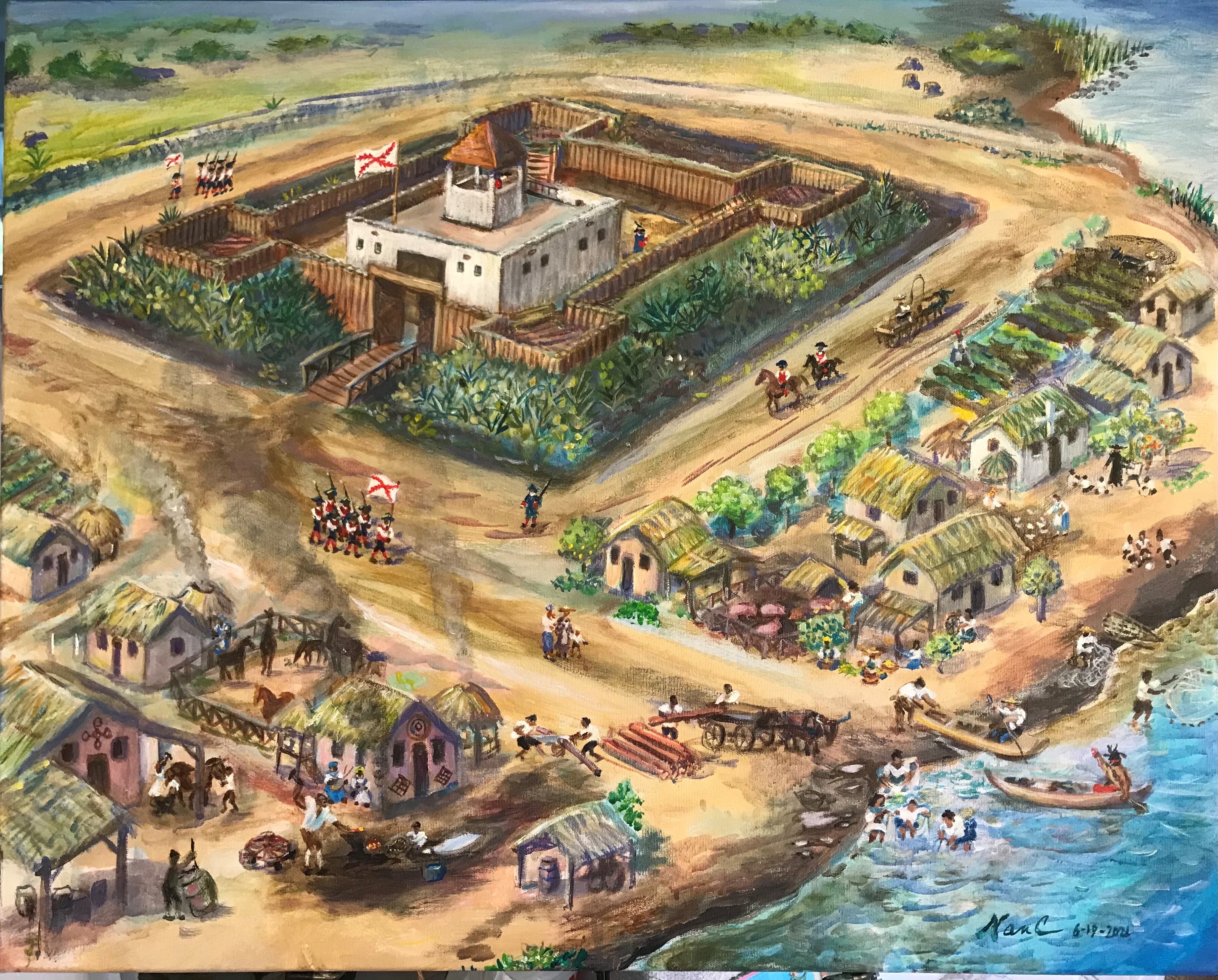 Artistic reconstruction of Fort Mose (Gracia Real de Santa Teresa de Mose), established in 1738 near St. Augustine, Florida - the first legally sanctioned free Black town in what is now the United States. The fort was commanded by Black militia under Captain Francisco Menéndez, who had fought alongside Yamasee warriors.
Fort Mose wasn't just a military outpost. It was a multiracial community where Yamasee families lived alongside escaped African slaves, forming kinship bonds that would define Florida's Indigenous-Black communities for generations.
The Yamasee-Spanish Alliance
The Spanish didn't just tolerate Yamasee presence—they formalized it. Yamasee leaders received Spanish military commissions. Yamasee families were granted land through the Spanish encomienda system. Catholic priests baptized Yamasee children with Spanish Christian names, creating a documentary trail that would prove invaluable centuries later.
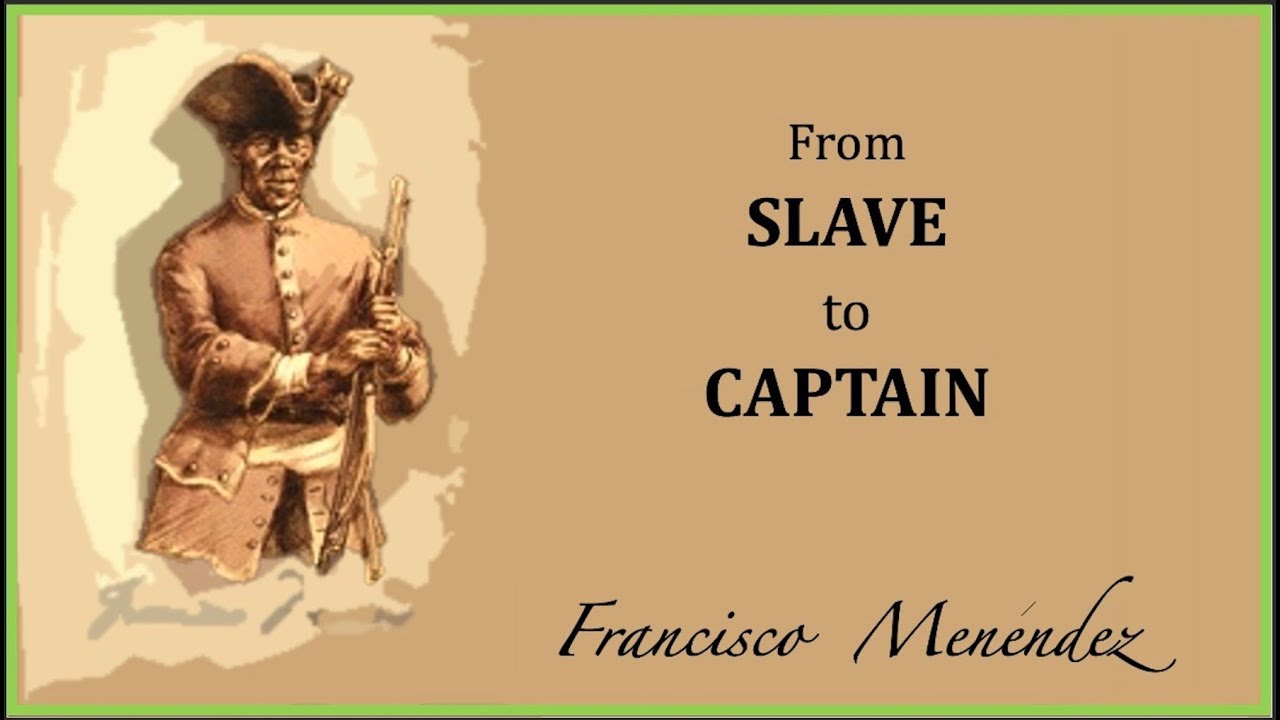 Francisco Menéndez, who rose from slavery to become Captain of the Black militia at Fort Mose. Menéndez fought alongside Yamasee warriors and commanded the defense of Spanish Florida against British attacks.
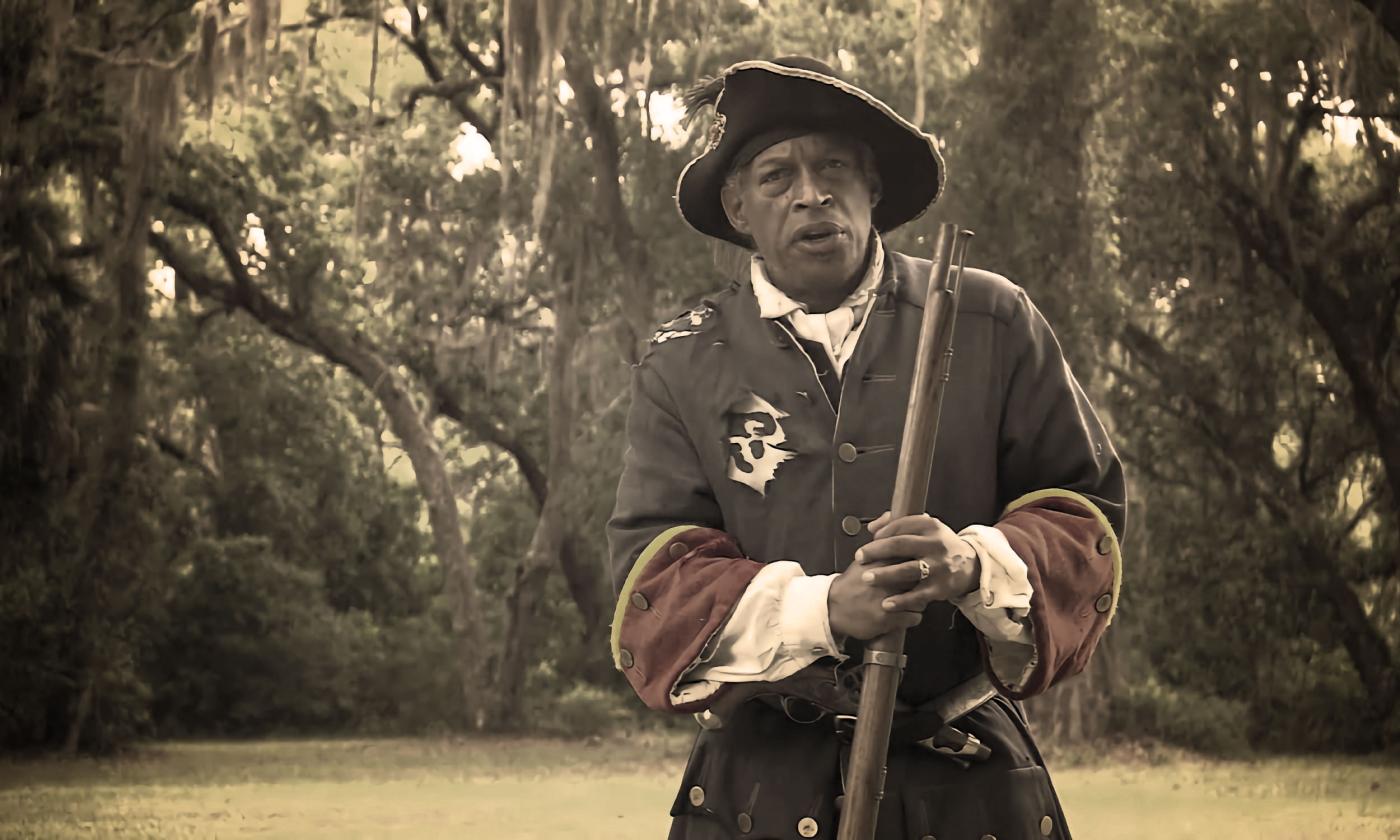 Modern historical reenactor portraying Captain Francisco Menéndez in Spanish colonial military uniform at Fort Mose Historic State Park, St. Augustine, Florida.
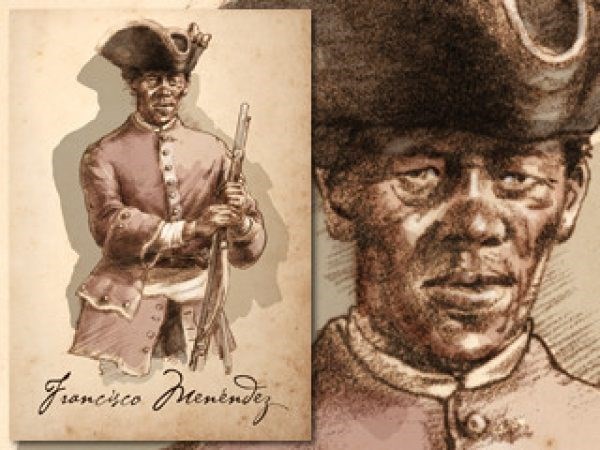 Black militia soldiers in Spanish Florida, similar to those commanded by Francisco Menéndez at Fort Mose. These soldiers defended Spanish territory and provided protection for Yamasee refugees and escaped slaves.
Key Yamasee families adopted Spanish surnames while maintaining their Indigenous identity:
- Day (from Spanish "Día")
- Hayes (from Spanish "Ayala" or "Haya")
- Barber (from Spanish "Barbero")
- Baugh (from Spanish "Bautista")
These weren't acts of cultural erasure—they were strategic adaptations that allowed Yamasee families to navigate Spanish colonial bureaucracy while preserving their heritage through oral tradition, kinship networks, and land stewardship.
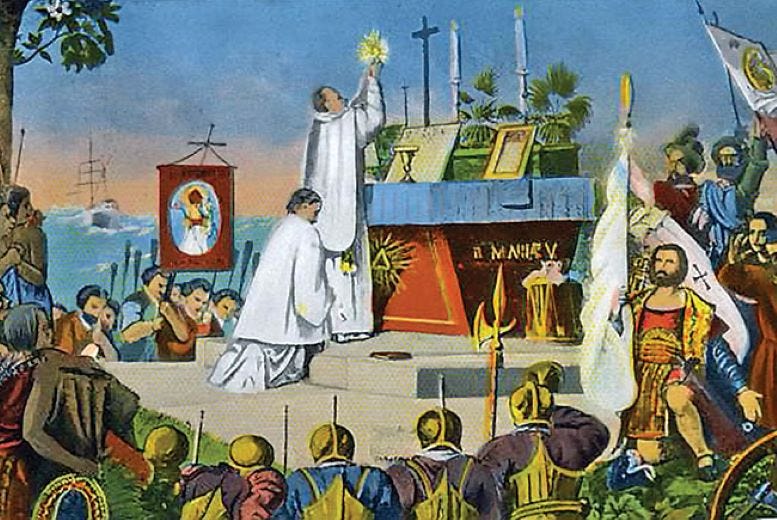 Spanish missions in Florida during the colonial period, where Indigenous peoples including Yamasee refugees received Catholic baptism and Spanish names while maintaining their cultural identity.
Why This Matters Today
The Yamasee migration to Spanish Florida wasn't a retreat—it was a calculated survival strategy that worked. For over 100 years (1715-1821), Yamasee families maintained continuous presence on Florida land under Spanish protection, creating the documentary foundation for modern land reclamation efforts.
Every Spanish land grant, every Catholic baptismal record, every military commission issued to a Yamasee leader is evidence of continuous occupation—the legal standard required for Indigenous land claims under both Spanish and American law.
The Yamasee weren't conquered. They adapted, survived, and preserved their claim to Florida land through three centuries of colonial rule.
Next in this series: How Yamasee families navigated the transition from Spanish to British to American Florida (1763-1821) while maintaining their land claims and identity.
This is Part 1 of a 4-part series on Yamasee land rights in Florida. Read the full series to understand the complete legal and historical foundation for modern Yamasee sovereignty claims.